

What we do · Network
IPv6, native and dual-stack
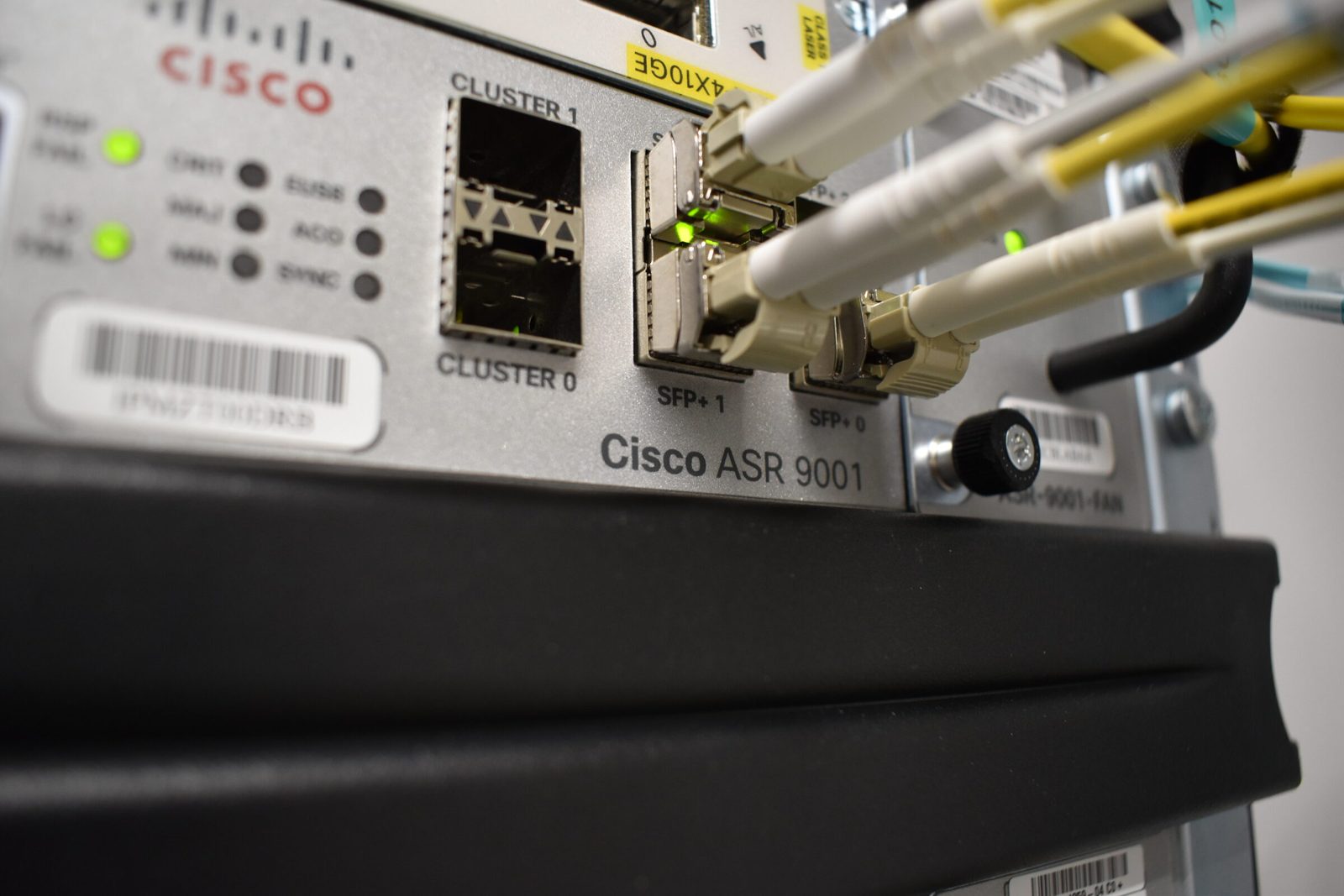
IPv6 is native at every EuroVPS site: Athens, Amsterdam and Toronto. We announce our own IPv6 space to the internet and run dual-stack from the edge routers all the way down to your gateway. Your server can have a public IPv6 address with no tunnel broker, no proxy and no translation in the path, protected by the same filtering as everything else we run.
What it is
Native dual-stack means every layer of the network speaks IPv4 and IPv6 side by side: transit, internet exchanges, bilateral peers, the edge routers, the fabric and the gateway your server uses. IPv6 traffic takes the same carrier-class path IPv4 does. Mobile networks increasingly prefer IPv6, and your users reach you over it without a detour.
How we build it
- Our own address space. We carved our RIPE allocation into a public block for customer production, a public block for our platform network and an internal-only block that is registered so it can never be routed on the internet. The internal plan mirrors our IPv4 plan one to one, so every internal host has an obvious IPv6 twin and nobody has to look anything up.
- Added alongside IPv4, never replacing it. IPv6 address families were added to the existing BGP sessions with transit carriers, exchange route servers and bilateral peers, and inside the fabric from edge to border leaf to leaf. Our platform network mirrors its IPv4 routing link for link.
- Gateways where your IPv4 gateway already lives. Anycast IPv6 gateways sit on the same leaves and VLANs as the IPv4 ones. Router advertisements are suppressed by default, so existing servers see no change until you choose to give them an address.
- The same protection on both protocols. Every internet-facing interface carries an IPv6 anti-spoof filter, management access over IPv6 is denied from the internet on every device, and reverse DNS for our IPv6 space is delegated to our own nameservers.
What it protects you from
- Being slow or unreachable for IPv6-preferring networks, mobile carriers in particular.
- Needing a tunnel broker or a NAT64 workaround just to publish an IPv6 endpoint.
- IPv6 management exposure that IPv4-only access lists quietly miss.
- A second-class IPv6 path that skips the filtering your IPv4 traffic gets.
- Reverse DNS gaps that make mail and compliance checks fail on IPv6.
In practice
Dual-stack, one device at a time. When we bring a fabric to dual-stack, the work runs in strict batches: registry work, edge hardening, edge-to-fabric routing, fabric internals, the gateway and then a real host, one device at a time, with an automatic before and after snapshot of every routing session.
Why EuroVPS
- Native IPv6 at every site we run: Athens, Amsterdam and Toronto.
- Our own IPv6 space, announced by our own autonomous systems.
- Dual-stack through a real EVPN fabric, not IPv6 bolted onto a single router.
- Security parity: anti-spoof filtering and management lockdown on both protocols, verified from outside.
- A rollout method designed for production: batched, one device at a time, with automatic rollback.
FAQ
Can my server get a public IPv6 address? Yes, in Athens, Amsterdam and Toronto. Ask us and we assign it alongside your IPv4 address.
Will enabling IPv6 change anything on my existing servers? No. Router advertisements are suppressed by default, so nothing changes until we configure an address for you.
Is IPv6 traffic filtered like IPv4? Yes. Anti-spoof filtering and management lockdown apply to both protocols, and we test that from outside.
Do you provide reverse DNS for IPv6? Yes. Our IPv6 reverse zones run on our own authoritative DNS.
If you want IPv6 that works the same way IPv4 does, talk to an engineer.
Your next infrastructure partner
Let’s look at
your setup.
Tell us what you run today and what needs to improve. An engineer will review your brief and help you plan the next step.
+357 222 32280
who will look after your infrastructure.
Let’s start with your setup.
A little context helps us start the right conversation.