

What we do · Data and web
Cloud repatriation and colocation exits
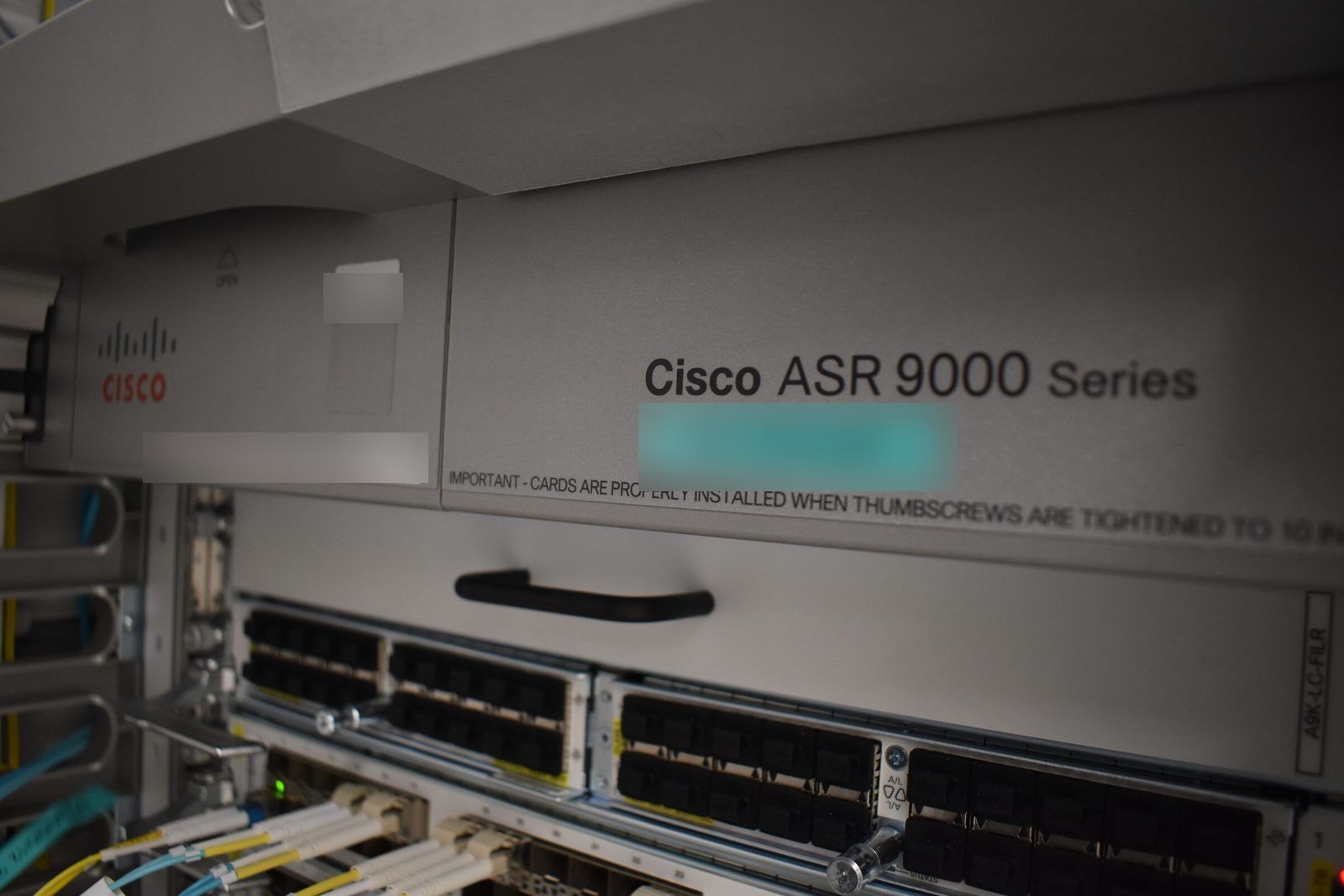
Bringing workloads back from public cloud, or out of a colocation contract, onto infrastructure with a fixed monthly cost and engineers you can call by name. We plan the exit on measured numbers, run old and new side by side, and move only when the new side is proven.
What it is
Repatriation is a migration with a business case attached. Bills that grow with traffic, egress fees, opaque instance pricing and accounts that can be suspended by an algorithm push companies back towards owned or dedicated infrastructure. We take the workload, the data and the services around them (DNS, databases, caching, load balancing) and rebuild them on bare metal, our OLVM private cloud, OpenShift or dedicated CloudStack, in Digital Realty Athens, Amsterdam or Toronto.
How we build it
Measure what actually runs. Before we design anything, we measure: CPU, memory and storage actually consumed, not provisioned; traffic patterns; which managed services are in use and what replaces each one. Cloud estates are routinely oversized, and moving them as they are would carry that waste into the new home.
Design for the failure domains you lose. Public cloud gives you availability zones; we give you separate hosts, separate storage arrays, redundant Fibre Channel fabrics and multiple sites joined by our own encrypted backbone. Each tier of your platform is mapped to an equivalent or better design.
Replace managed services with things you own. Managed databases become Percona XtraDB Cluster or replicated MariaDB; managed caches become Valkey with Sentinel; managed DNS becomes your own PowerDNS estate; container services become OpenShift on bare metal.
Run both, then cut over. Old and new run in parallel. Data is replicated or pre-seeded, every record or object is verified against the source, and the cutover happens in a short, rehearsed window with the old platform still intact behind it.
What it protects you from
- Monthly bills that rise with your success and fees for taking your own data out.
- Vendor lock-in through proprietary managed services.
- An account suspended by an automated system with nobody to talk to.
- A move that copies an oversized estate into a new contract.
- A DNS cutover that breaks your domain for every DNSSEC validating resolver.
In practice
Services come home one at a time. DNS, mail, databases and applications each move on their own plan, running in parallel with the cloud until every record and every response has been verified, so nothing is cut over on faith. One customer's full story of leaving AWS for a DNS estate of his own is told on our managed DNS page.
Leaving managed services behind. For customers leaving public cloud we routinely rebuild managed database, cache and load balancer services as clustered, failover tested equivalents on dedicated hardware, so the move improves resilience rather than trading it away for price.
Why EuroVPS
- Real hardware we own, in Digital Realty Athens, Amsterdam and Toronto, at a fixed monthly cost.
- Engineers who rebuild managed cloud services as systems you control and understand.
- Plans built on measurement, not on list prices or estimates from memory.
- Old and new run in parallel until the new platform has proven itself.
- No algorithmic account termination: you talk to people.
FAQ
Will we really save money? For steady workloads, usually a great deal. We model the exit on your measured usage first, and we will tell you if a workload is better left where it is.
What replaces RDS or ElastiCache? Percona XtraDB Cluster or replicated MariaDB, and Valkey with Sentinel, all on dedicated infrastructure, managed by us.
Do we lose global reach? No. Your DNS can be geographically diverse, and a CDN can sit in front of the origin. What you gain is control of the origin.
How long does a repatriation take? It depends on the estate. Small service moves take days; full platforms are planned in phases with a parallel run.
Can we keep some services in the cloud? Yes. Hybrid is fine, and private connectivity between the two is something we build.
Ready to bring it home? Talk to an engineer.
Your next infrastructure partner
Let’s look at
your setup.
Tell us what you run today and what needs to improve. An engineer will review your brief and help you plan the next step.
+357 222 32280
who will look after your infrastructure.
Let’s start with your setup.
A little context helps us start the right conversation.